South Padre Island Fishing: A Beginner's Guide to Inshore Trips


 Published: Nov 26, 2026
 7 min read
Summary
A plain-language introduction to inshore fishing near South Padre Island for anglers who have never booked a charter. It covers what inshore means, the redfish and trout focus, and what a guided trip with Captain Miguel Uresti offers.
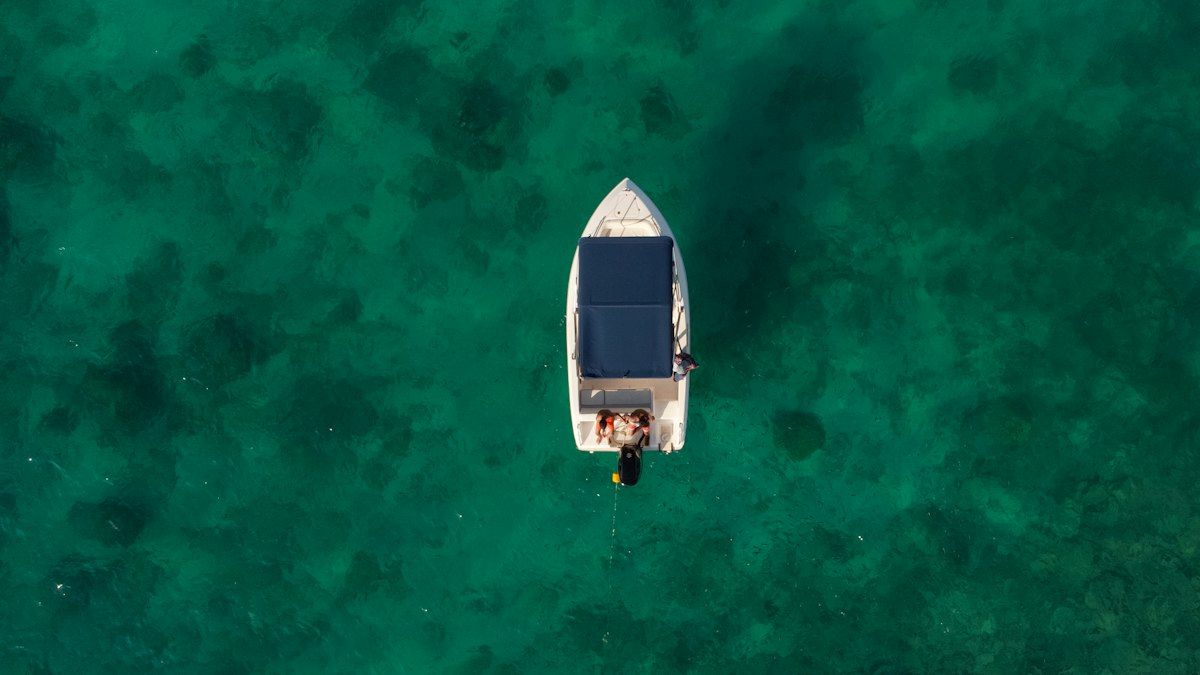
The boat slows down as it leaves the channel, and the engine noise drops off. A wide, shallow stretch of bay opens up ahead, the water pale and calm, and the captain points toward a patch of shoreline where the fish are likely holding. For a first-time angler, that quiet moment is often when a fishing trip stops feeling like a plan and starts feeling like the real thing.
That is what inshore fishing around South Padre Island looks like at its best. If you have never booked a charter before, the whole process can feel like a lot of unknowns. This guide walks through what inshore fishing is, which fish you are after, and what changes when a local captain runs the trip for you.
What Inshore Fishing Actually Means
Inshore fishing happens in protected, shallow water close to land. Think bays, flats, and backcountry areas rather than the open Gulf. The water is calmer, the trips tend to feel less intimidating, and you spend more time fishing and less time simply getting somewhere.
Offshore fishing is the other end of the spectrum, with longer runs into deeper water. Plenty of guides work both, and Captain Miguel Uresti of One Stop Charters runs trips from inshore to offshore, across flats and backcountry. For a first charter, though, inshore is the easier place to begin. You can learn the basics at a relaxed pace and still be fishing in good water.
Redfish and Trout: The Fish You Are Chasing
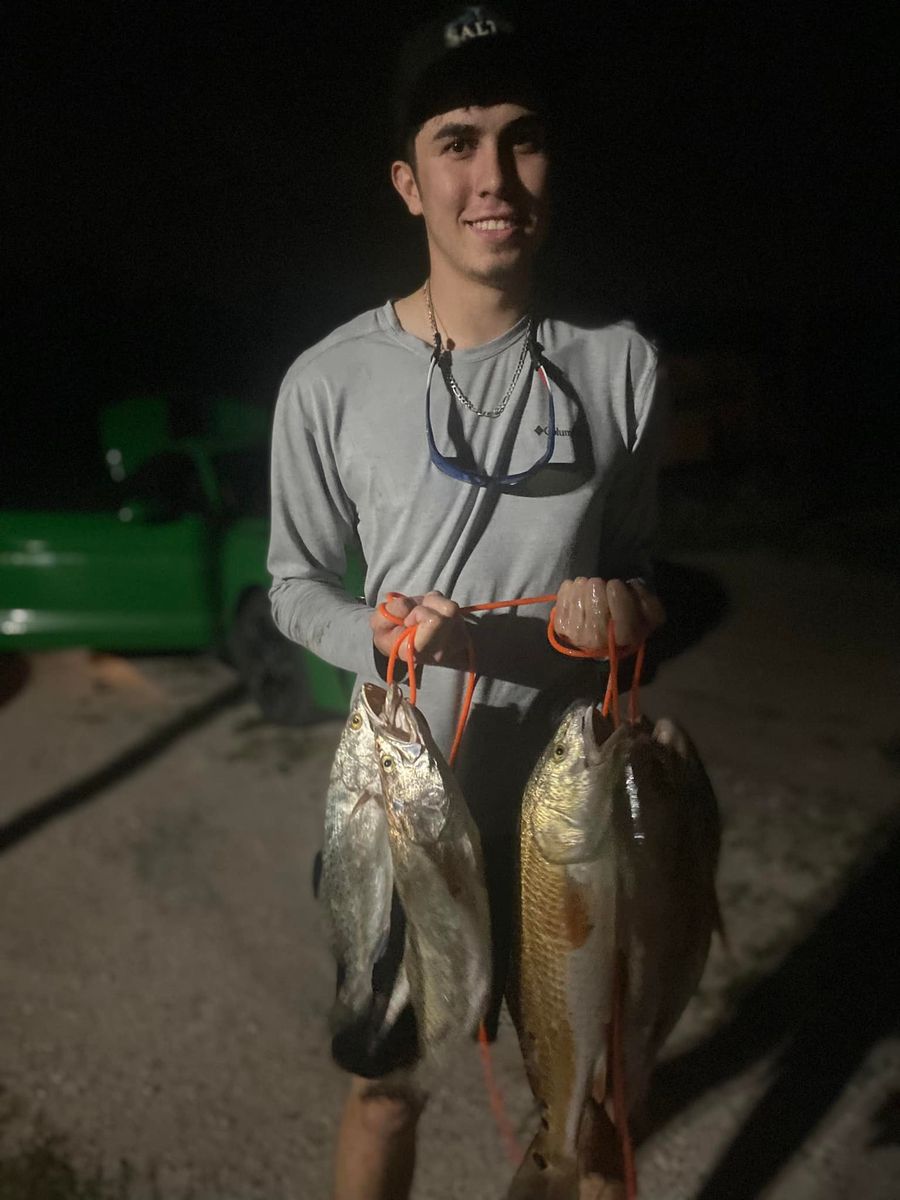
When people talk about South Padre Island fishing for beginners, redfish and trout come up first. They are the focus of One Stop Charters' inshore trips, and they suit new anglers well. Both live in the bay waters of South Texas, and both can be caught with live bait or artificial lures, which gives you room to fish the way you prefer.
Redfish are known for a strong, steady pull that makes even a modest fish feel like a real fight. Trout tend to reward a more careful touch. Targeting both in one outing gives you a feel for two different styles of bite, which is useful when you are still working out what you enjoy.
One Stop Charters also lists evening trips that go after redfish and flounder under the stars. If you would rather skip the daytime heat or just want a different atmosphere, that option is worth asking about.
Guided Trip or Fishing on Your Own
Fishing from the shore or a rental boat is a fine way to spend a day. It also comes with a steep learning curve. You have to find productive water, read the conditions, pick the right bait, and handle the boat, all at once. For a beginner, that is a lot of things to get wrong before you ever feel a bite.
A guided trip takes most of that off your plate. The captain knows the local waters and takes you to spots worth fishing. Captain Miguel's 21 foot Shallow Sport center console is built for shallow bay water, and its 450 HP Yamaha engine gets you to the fishing grounds without a long, rough ride. It is also set up for the work, with modern electronics for navigation and a wireless trolling motor for fishing quietly once you arrive.
The boat takes up to three anglers, so the group stays small. That matters for a beginner. Guidance is hands-on rather than shouted across a crowded deck, and you are not competing for attention or rod space.
What a Beginner Can Expect on Board
One Stop Charters offers inshore trips built around hands-on guidance, so you do not need to arrive knowing how to rig a line or work a lure. You can fish with live bait or artificial lures, and the captain helps you work out which suits you and the conditions. Those who want to sharpen their technique can also fish with experienced local guides who help them chase quality fish.
Here are a few things worth thinking about before you book:
- Decide whether you prefer live bait or lures, or ask the captain to show you both.
- Pick a morning or evening outing based on what you would rather experience.
- Tell the captain how much fishing experience you have so the day matches your level.
- Keep group size in mind, since the boat fits up to three anglers.
Booking details such as times, what to bring, and what is included are best confirmed directly when you reserve, so you know exactly what to pack.
Why Fish with a Local Captain
Captain Miguel Uresti is based in Rio Hondo, Texas, and fishes the waters around South Padre Island. That local footing matters for a first charter. A captain who works these bays regularly can tell you what to expect, what to try, and how the water is behaving that day, which is hard to learn from a website or a map.
The scenery is part of the appeal too. Inshore trips in South Texas offer peaceful coastal views alongside the fishing, so even the stretches between bites feel worthwhile. For a beginner, that slower rhythm is a feature. You get time to learn, ask questions, and enjoy being on the water without feeling rushed.
Taking the First Step
South Padre Island fishing does not have to start with years of experience or a boat of your own. An inshore charter gives you calm water, a small group, and a captain who can teach as the day goes on. If redfish and trout sound like the kind of fish you want to meet first, One Stop Charters is a local option worth a look.